PONDOR
Crypto-backed asset financing for underserved markets. Flutter and TypeScript on Supabase, loan maths proven identical across both, CI on self-hosted runners.
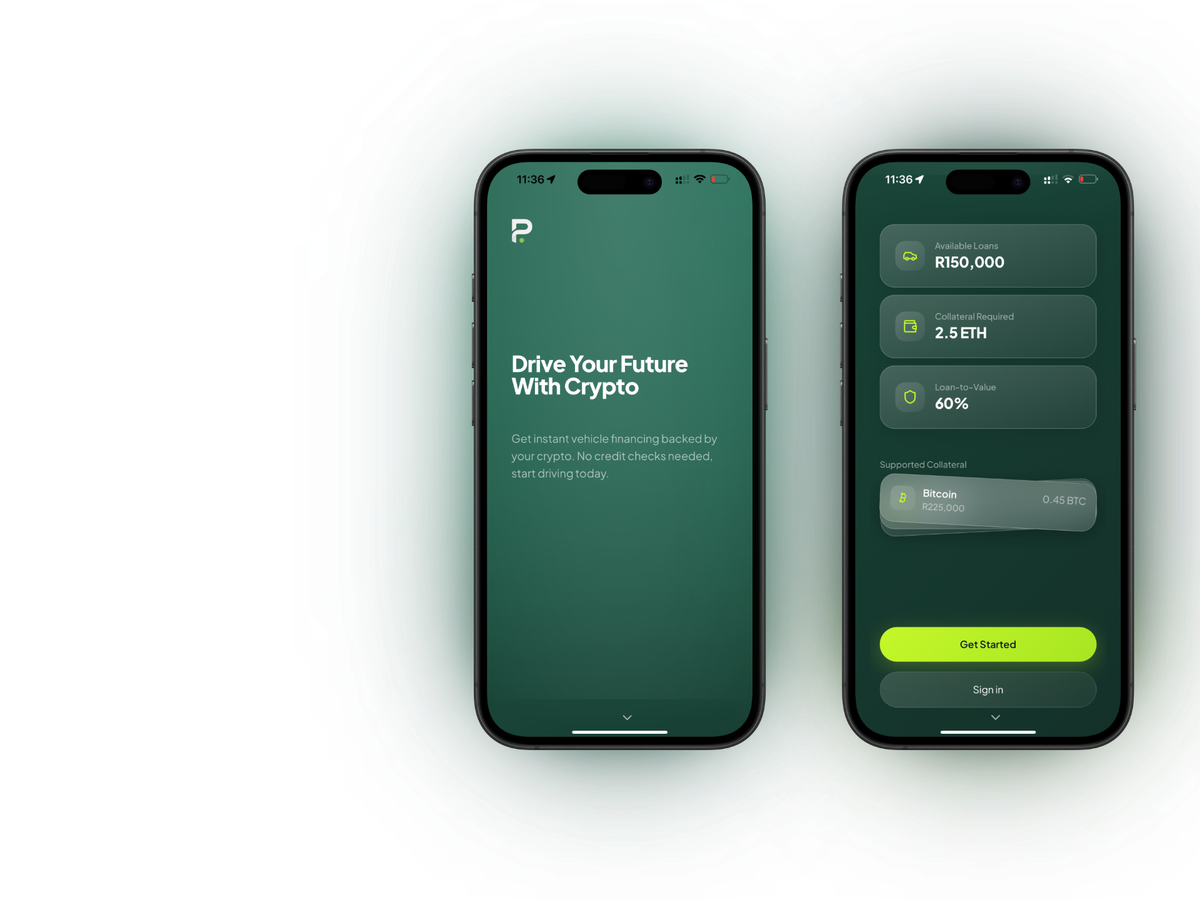
Plenty of people hold crypto and cannot borrow against it. Not for want of collateral, but because the collateral is the wrong shape for a credit committee. PONDOR is crypto-backed asset financing: the holding is pledged rather than sold, and the asset is financed against it. The market is the underserved one, where a thin credit file is normal and the assets people own do not appear on any statement a lender recognises.
It is a monorepo. A React and TypeScript marketing site built with Vite and Tailwind, carrying a live loan calculator. A Flutter app for iOS and Android under the org com.pondor, sharing the brand theme and running the same calculation. Supabase for Postgres, auth and edge functions, with the SQL migrations as the single source of truth for the schema. Shared fixtures, generator scripts, and the regulatory research that decides what is legal to build.
The loan maths exists twice, in TypeScript and in Dart. That is the part I would draw on a whiteboard. Two implementations of the same domain logic will drift, and when they drift a borrower sees one number on the web and a different one in the app. So neither implementation is the reference: a Python generator writes golden fixtures independently of both, and both test suites assert against that single file. Fifty-two tests on the web side, forty-nine on mobile. I got the port wrong twice in each direction before that existed, which is exactly the point.
The database has to rebuild from zero or it is not a schema, it is a folk memory. Parts of it had been created by hand in a dashboard and never written down: a trigger function every table called but nothing defined, a table only ever altered and never created. CI now runs the migrations from an empty database on every push and checks row level security, policies and foreign key indexes as it goes.
Continuous integration runs on my own hardware, because GitHub-hosted minutes ran out and the repository is private. Web, database and container workflows run on a Raspberry Pi 5 under linux/arm64; the Flutter workflow runs on a Mac mini under macOS/arm64, which builds Android in under a minute and iOS in about thirty seconds. Nothing uploads artefacts, since that quota is spent too: the web job builds and deploys in one pass rather than passing a directory through storage, and the mobile job reports binary sizes to the run summary. AWS is reached through OIDC with the trust pinned to this repository, so no cloud credential is stored anywhere in it.
The research changed the build. A stablecoin card stack on Privy, Bridge and Stripe looked obvious until the regulation was actually read: Zimbabwe permits stablecoins for remittances and bans them for domestic payments, which is precisely what such a card does, and Bridge is not live in South Africa. South Africa needs two things before a rand ever moves, an NCR registration and an FSCA licence as a crypto asset service provider, and under the National Credit Act an unregistered provider's agreements are simply void. That is not a compliance detail to bolt on afterwards. It decides the product.
Still to build: authentication, the application flow, disbursement, and collateral custody. Custody first, because who holds the pledged asset and under what terms shapes the data model, and a schema hardened before that question is answered is a schema you rewrite.